Discovery sprint
Two-to-four week programming assessment of a bounded subsystem, ending in a written modernization options memo and test gap list.
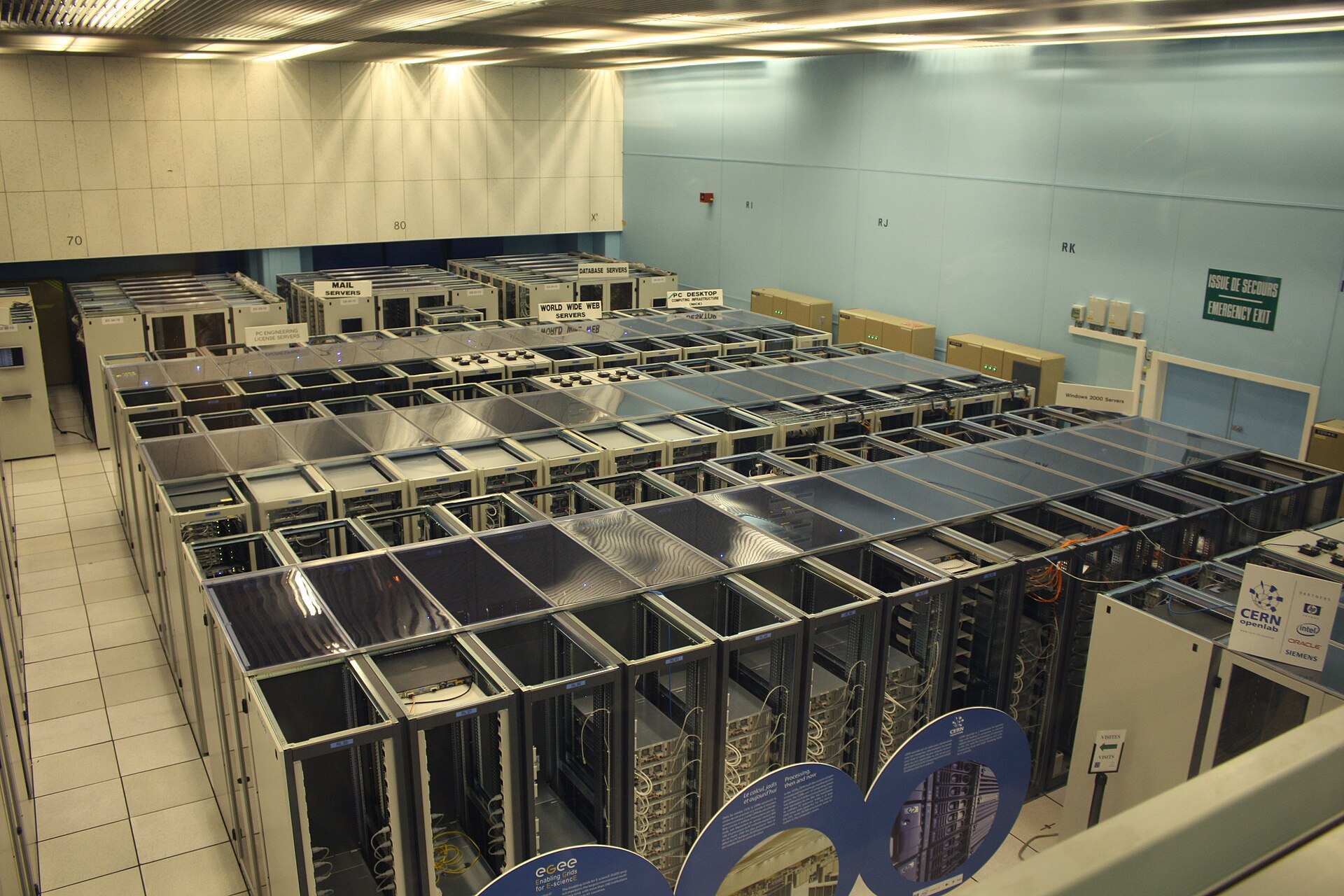
Legacy application modernization is not a single framework swap. We run project-based programming engagements that map COBOL-era workflows, batch jobs, and brittle integrations before any rewrite is scoped.
Discuss a modernization brief: +886-4-0000-1205
Teams often move a monolith to containers while leaving nightly batch sequencing, ad hoc stored procedures, and terminal-era validation rules untouched. The UI looks new; the failure modes stay familiar.
We document transaction boundaries, file layouts, and operator overrides first. That inventory drives whether strangler-fig extraction, API facades, or selective rewrites actually reduce operational risk.

Engagements are scoped for teams operating in Taiwan and across distributed engineering groups.
Each engagement is fixed-scope with deliverables tied to code you already run—not generic slide decks.
We trace build pipelines, scheduler dependencies, and data stores (IMS, DB2, VSAM, flat files) to produce a dependency map your leads can challenge in review.
We pair with your engineers to choose seam points—message bridges, read models, or RPC facades—so you can ship incremental value without a big-bang cutover.
Time-boxed programming sprints validate performance, idempotency, and rollback paths against production-like volumes before you commit to a wider rewrite.
Runbooks, interface contracts, and test harnesses are delivered so your team owns the modernized path long after our contract ends.
We are a fit when you maintain business-critical legacy applications (mainframe modules, on-prem services, or long-lived .NET/Java monoliths) and need senior programmers to de-risk a modernization plan.
We are not a fit for greenfield product studios, staff augmentation without a written scope, or teams seeking guaranteed timeline or cost outcomes we cannot verify from the outside.

Two-to-four week programming assessment of a bounded subsystem, ending in a written modernization options memo and test gap list.
Fixed deliverables for one extraction path—API surface, data sync, or UI replacement—with acceptance tests tied to legacy behavior.
Refactor hotspots, add observability, and capture tacit operator knowledge before a larger rewrite is funded.